
Everyone in this scene is collecting milestones. Some arrive through hard work, some through luck. Some come in the form of breakthrough moments, lifelong friendships, creative highs, devastating lows, or the people we lose along the way.
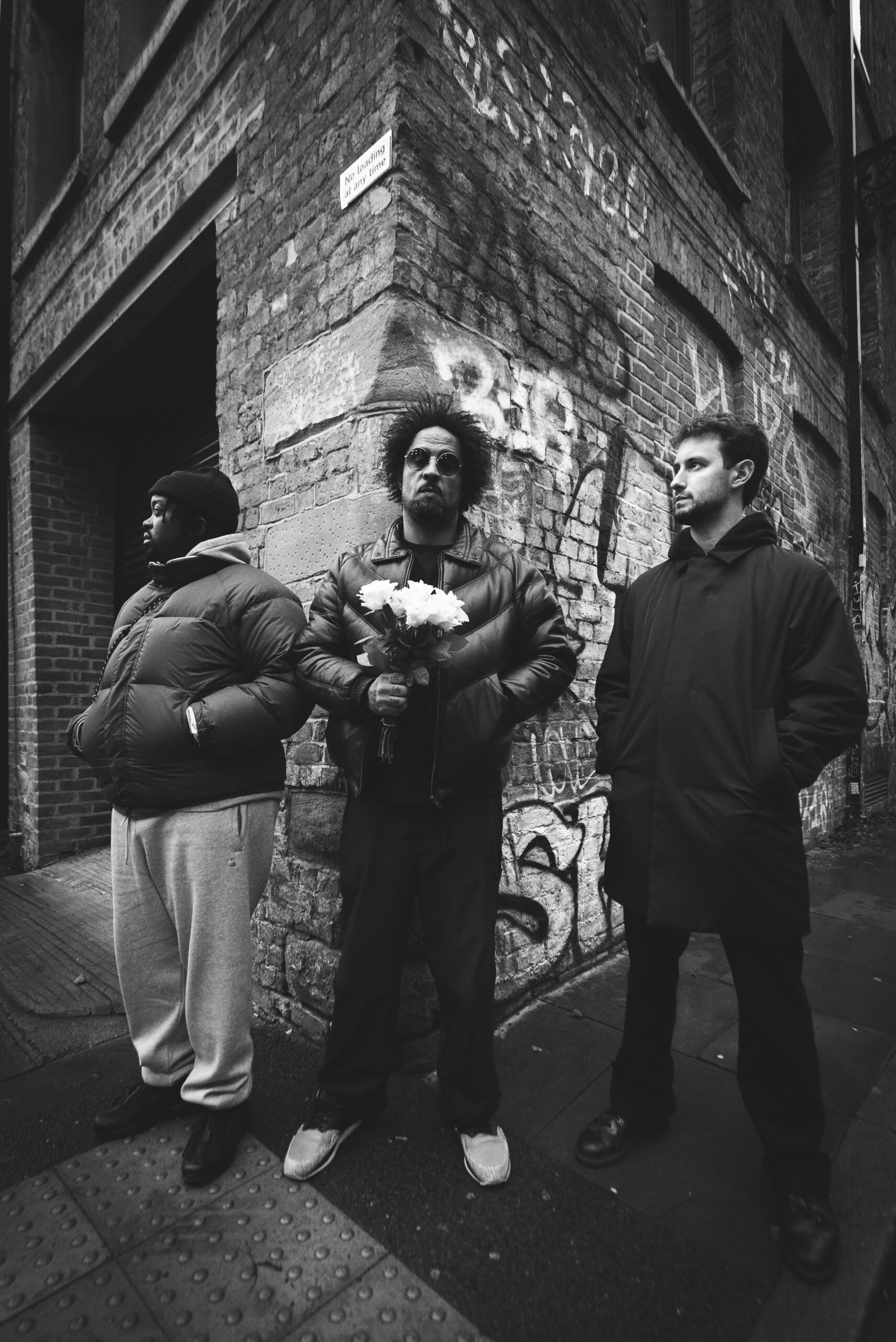
Right now, Delroy Pottinger (DRS) and Pierluigi Zardetto (Zar) find themselves right in the middle of a big, joint milestone of their own – releasing their long-awaited double LP ‘Milestones’ on both Space Cadet and Footnotes.
To celebrate this first-of-its-kind double album, double label release, the pair sit down in each of their studios to reflect on four key milestones for any artist. We cover each of their memories associated with:
- Early career moments
- Major turning points
- Significant highs or lows
- The road to ‘Milestones’
With careers kicking off in different centuries, we get perspectives from staggered generations of drum & bass. Yet despite the years between them, both artists share strong ties to Manchester, and a love for the soulful, hip-hop-influenced side of drum & bass – those common threads run throughout their stories.
As the inspirational tales of a rising producer and a veteran MC converge with a landmark project, Milestones becomes more than an album title. It becomes a snapshot of two artists who continue to evolve, learn, and step forward.
Early Career
DRS: One of the earliest milestones in my career was when I was living in Bournemouth. I’d moved down from up north and became a resident at a club there. There weren’t many MCs in Bournemouth at the time – and I wasn’t really an MC myself yet either.
I met some DJs, picked up the mic one night and started MCing. The club used to bring down guest DJs like Fabio, Grooverider, Bukem and Conrad.
One night I was MCing before Bukem and Conrad. Little did I know they were compiling Logical Progression at the time. Then on the Monday after that Saturday night, I got a call out of the blue – it was MC Conrad. I couldn’t believe it. I’d been listening to tape packs before I even moved to Bournemouth and was already a fan of his. Rest in peace, Conrad, my brother.
He told me they were putting together Logical Progression and asked if I’d be interested in MCing for them. Being the blagger that I am, I just said, “Yeah.” I didn’t really have any rhymes – I’d only MCed at that club and one club up north – but I grabbed the opportunity with both hands.
My first gig with them was live on Radio 1 at Cream in Liverpool with LTJ Bukem. Conrad couldn’t make it, so it was trial by fire. You can still listen to that mix now – iconic, but horrible to me personally. But yeah, that’s definitely one of the earliest milestones I can remember in my career.
Zar: An early career moment I always remember was moving to Manchester from London to study Music Technology at university.
Me and one of my good mates from back home, Alfie Channell, started a night called Rare Groove. We wanted to build our own brand, but honestly, we mainly just wanted to DJ and push soulful, deep, forward-thinking music.
Around then I met Rich Reason, who runs Hit & Run. We got along straight away and eventually he booked me and Alfie for our first proper show at Hidden in Manchester. It was the 15 Years of Shogun vs Critical night, and we were playing before Pola & Bryson and Technimatic. I definitely remember that as a huge early-career moment.
From there I kept making music while I was at uni, really honing in on the soulful sound I wanted to achieve. Rich was a massive supporter of what we were doing with Rare Groove and my solo material, and he kept booking us for more events.
A few years later he booked me for a The North Quarter vs 1985 Music night at Hidden. That was the night I met Redeyes and Note for the first time. The lineup was crazy – people like Lenzman, Halogenix and Visages were on the bill too.
That whole period in Manchester – around Hit & Run, those nights and that scene – had such a buzz around it. I still look back on it really fondly. It was also around that time that I started releasing on labels like V Recordings and Liquid V, which made it an especially exciting period for me.
Turning Point
DRS: I think a real turning point in my career was moving back to Manchester after the whole Logical Progression thing had imploded.
At that time I really wanted to do live music. One of the last projects I worked on at Good Looking Records was Logical Progression 3. We played Brixton Academy, Roskilde Festival in Denmark, and loads of places across Europe. It gave me a real taste for live music and the completely different feeling you get between DJ sets and playing live with a band.
I remember going to Tony at Good Looking Records and explaining that I wanted to focus more on live music. It didn’t really go down too well. After that meeting, my gigs started slowing down.
We were living down south at the time and things became difficult financially, so we moved back to Manchester.
I’d already worked with Marcus Intalex before. When I moved back, we reconnected. Marcus told me he’d just started Soul:r and was working closely with this new guy called Calibre. He asked if I’d be interested in getting involved, hosting nights and becoming part of it.
Obviously the answer was yes. Rest in peace Marcus as well – love you, my brother.
The first night we did was at Joshua Brooks. It was DJ Marky, Calibre, ST Files and Marcus. Absolutely legendary night – sweat dripping from the ceiling, queues down the road, totally sold out. I remember standing there thinking, “Yeah… I’m in the right place”. And obviously, from there, you know the story.
Zar: I’d say a turning point in my career so far was releasing my debut album ‘Anima’ on Space Cadet in 2024. The funny thing is the album had actually been finished for at least a year before it came out.
A massive shoutout to Dan Blindside and DRS, because they brought me out to SUNANDBASS in 2023. I played before Children of Zeus at the Space Cadet pool party and did a full set of 100% my own production.
I think that was the moment people started seeing me differently – as a more established artist. Playing at SUNANDBASS was huge for me, and that whole day became a catalyst for everything that followed.
That was also where I met LSB. Luke came over afterwards and asked if I wanted to get involved with Footnotes. So many opportunities came from that one day and releasing the album – joining Makino Agency, working with Halogenix on Gemini Gemini, and becoming more involved with both Footnotes and Space Cadet.
When Anima eventually came out, it got a great reception and genuinely put me on the map. It showed people my commitment to the music and how much love I have for it.
The album was completely honest. I wasn’t trying to copy anyone else or chase trends – I just put all my influences into it and made something for myself.
At the time I had a lot of self-doubt because I was still relatively early in my career, and making an album felt like something I should do later on. But Dan and Del really encouraged me and gave me the confidence to commit to it.
Looking back now, that project really was the turning point for me, and I feel very lucky to be doing what I’m doing today because of it.
Career Low or High
DRS: I think a real creative low in my career was when we lost Marcus Intalex. Around the same time we also lost another close friend of mine, Salford John. It all happened within a short space of time.
At that point in my life I was partying a lot, and I just felt drained – emotionally and creatively. I had to reevaluate things and go back to the source of what music and art actually meant to me. I had to dig deep and do some soul-searching.
Eventually I came back stronger. I found the fundamentals again – what truly made me happy about creating music and what was actually important to me.
I sacrificed a lot during those years. Some of those sacrifices, I still feel like I’m paying for now. But yeah, that period was definitely one of the lowest creative points in my life.
As for creative highs, I’ve had many. I’ve had the big moments – awards, anthems, all the things you dream about when you first become an artist.
But my biggest creative highs come from helping other people. Helping my friends get on and watching them flourish into the people I always knew they could become.
I think I’ve got a gift for spotting that spark in people. Seeing people I’ve supported go on to do amazing things is what gives me the most joy creatively now. Sometimes all they need is a little push – throwing them into the middle of it. Again, trial by fire. You either sink or swim – and most people swim.
Zar: A creative low for me was definitely during COVID.
At the time I was studying music production at uni in Manchester, while my family had moved to Northern Ireland. When lockdown happened, I found myself stuck there on my own, feeling pretty lost creatively.
I was still making music and working with some great people, but I didn’t really know where things were heading. I’ve always had a clear vision for the music I wanted to make, but motivation was hard to find and it was probably the lowest I’ve felt creatively.
What’s crazy is that this low led directly to one of the biggest highs in my career.
I’d always been a huge fan of Space Cadet, so one day I messaged the label on Instagram and asked if I could send some music over. I sent a couple of tracks I’d been working on with jazz musician Dan Harris, and to my surprise Dan got back to me almost immediately.
A few days later Del had started demoing ideas for the tracks. One of them eventually became ‘Spiders’, which later appeared on my debut album.
That whole experience gave me a massive boost in confidence and motivation.
When restrictions eased, me, Channell, Motiv and our friend Joe Mockford got a studio together in Manchester. Suddenly I was collaborating face-to-face with people like EVABEE, Milansanger, Nathan Stoker, Verbz, and being around creative people every day completely changed my mindset. So that creative low eventually became a huge creative high.
It taught me that self-doubt is part of the process, but if you stay patient, trust yourself and keep making the music you believe in, good things can happen.
This Project
DRS: I think this project with Zar really is a milestone – actually, a lot of milestones happening at once.
I turned 50 in 2025, and every decade carries something with it. By the time you reach 40, you become more comfortable with where you sit in the scene and the responsibility that comes with it. Then 50 comes along – the half-century – and that’s a huge one.
Creatively and musically, all of that was in my mind during the couple of years we were working together. We weren’t necessarily trying to make an album at first – we were just making music.
At the same time, I was going through some really difficult personal things. Honestly, the project and working with Zar became a real light at the end of the tunnel for me. It gave me something to focus on and some hope.
There were days where I really had to drag myself to the studio in Cheetham Hill, put on a smile and just try to create. But I’m so glad I did.
Milestones Act I & II really does feel like a milestone project. It was a genuine labour of love, and something I’m deeply proud of.
I’m proud of the artist Zar has become, but also the human being he is. He supported me through some really dark moments, whether he realised it or not, and I’ll always appreciate that.
When I listen back to this project now, it genuinely puts a smile on my face and light in my soul.
So thank you, Zar – and thank you to everyone reading and listening.
Zar: This project is definitely one of the biggest milestones in my career so far. DRS has been a massive supporter of mine from day one, and everything he’s achieved and built over the years is so inspiring to me – so to now have a 14-track double LP with someone I grew up listening to honestly feels surreal.
Although the project feels huge now, we’d actually been making music together consistently since around 2020. There was always music on the go between us.
The real turning point came when we started working together in person. One day DRS came down to my studio in Manchester and linked up with me and Verbz. We made three tracks from scratch that day, including ‘Weather The Storm’ and ‘I Wonder’. It was a real inspiring session and we immediately felt there was something special there.
After that, Del started coming through regularly and every session we’d build tracks from the ground up. Eventually we realised we had a full body of work and decided to split it into two acts.
This album is also special because it’s the first collaborative release between Space Cadet and Footnotes. The support from Dan, Luke and DRS throughout the process has meant a huge amount to me.
What I’m most proud of is that we stayed completely true to ourselves throughout the process. We never tried to chase trends or make something commercial. We just made the music we genuinely wanted to make.
One detail that I think is cool is the very end of the album. On the outro of ‘Brave Hearts – Reprise’, there’s a small sample there. It comes from a jazz tune me and Del made together around 2021 called ‘Light Work’. The original project files were lost, and all we had left was one demo recording. So I sampled a piece of that because what DRS is saying on it perfectly fits what the album is all about.
When DRS did a tour with his band – 8 Gold Rings – I went along to one of the shows. He never told me ahead of time, but he ended up playing that tune. It was a real nice surprise, and even though the original tune was never properly finished, it still found its way into the world.
To me, that captures what Milestones is really about: friendship, collaboration, history, and finding new life in things you thought were lost. We’ve put so much time and care into this project, so finally seeing it out in the world is an amazing feeling.