
Hi, who are you?
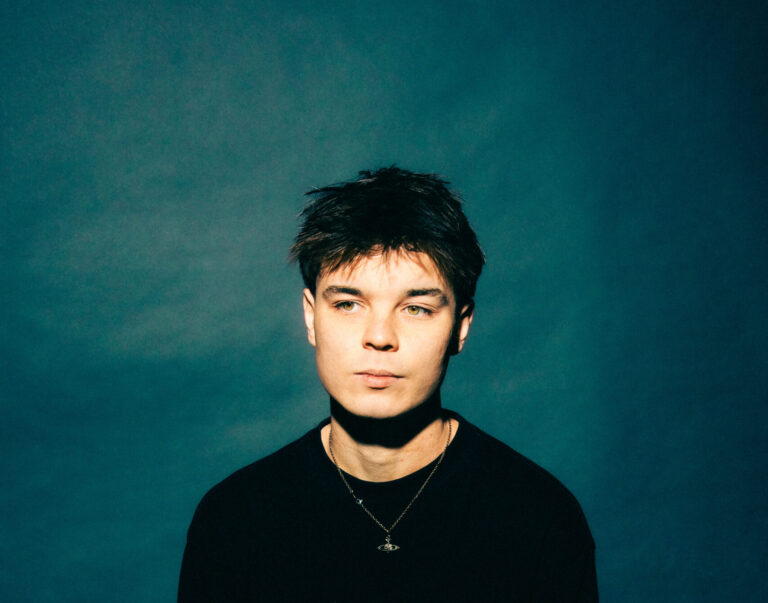
Josh: I’m Josh Gunston, founder and label director of Southpoint.
I co-founded Southpoint with Jay McDougall (KXVU) in Brighton back in 2015. What started as a local DIY label has grown into a global independent music company operating across both record label and artist management services.
Over the last eleven years we’ve released more than 1,500 tracks from over 150 artists, building a catalogue that has reached millions of listeners around the world while remaining rooted in the underground culture that inspired us in the first place.
Alongside Southpoint I’ve worked across the wider music industry at Warner Records, AEI Music and 13 Artists, but Southpoint has always been the constant. It’s the thing I’ve built, learned through and grown alongside for over a decade.
Today I oversee the label’s creative and commercial direction while also working closely with a small management roster including Bushbaby, SHUFFA, Casey Club and MUCKANIKS.
We’re probably best known as a label, and that’s what we’re here to talk about today, but the wider company has naturally evolved over the years as the artists around us have grown too.
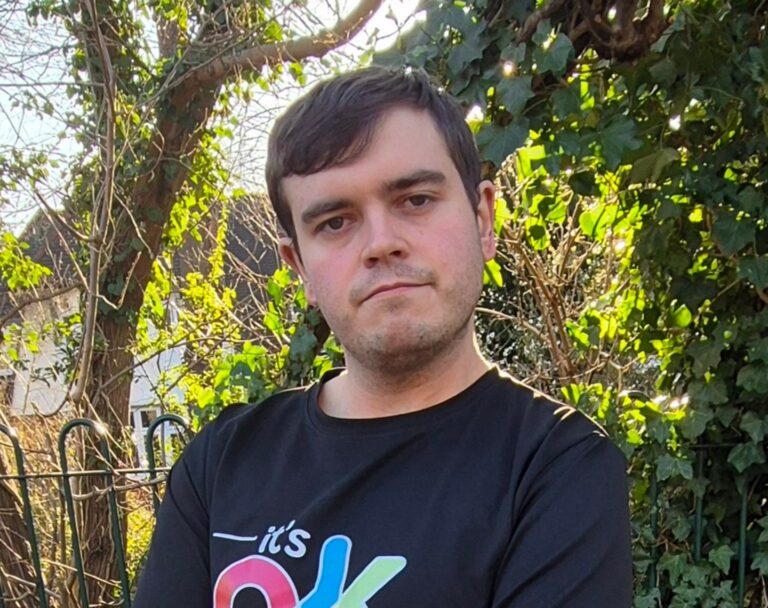
Jay: I’m Jay (aka KXVU)
I’m Josh’s partner here at Southpoint and I oversee the musical arrangement of the label, across the multiple different sub-label set ups we have in place.
Outside of Southpoint I’ve worked across a large spectrum of the creative industry, from setting up a YouTube channel reviewing international music, to performing on Don’t Flop, to writing for multiple musical platforms such as JunoDownload, and DJing and Producing for 20 years now.
Southpoint has become the hub for all things creative, and it’s only going to get bigger and better
What’s your ethos?
Josh: Build things properly and think long term.
Southpoint was founded because labels didn’t always have the best reputation in underground music. We wanted to prove you could be transparent, fair and genuinely artist focused without losing the DIY spirit that made scenes exciting in the first place.
We’ve never really been interested in chasing hype or quick wins. We’d rather help artists build something sustainable and lasting.
The music matters, but the people behind it matter just as much.
At its core, Southpoint has always been about backing talent early, creating opportunities and building genuine relationships. A lot of the artists we work with are friends, and some have been part of the journey for years.
Jay: Underground professionalism. We will never be a corporate label with corporate interests, but we have both worked with multiple labels, either as artists, managers or employees, and one of the driving factors in starting Southpoint was building something that was genuinely fair towards artists.
We have maintained that ethos, we will always give artists a chance if we see the potential.
I used to be a chef many moons ago, and there’s a quote in cheffing which is something along the lines of “If you can’t make it better than you can buy it, then buy it”, for me, this means we need to get good enough at doing everything ourselves.
Tell us your origin story…
Josh: There definitely wasn’t a grand plan.
I originally moved to Bristol to study Audio & Music Technology at UWE. Truthfully, I hated it. I realised pretty quickly that the technical side wasn’t for me and eventually dropped out.
The funny thing is that although university didn’t click, Bristol did.
I completely fell in love with the city’s music culture. Everywhere you looked there were dubstep nights, grime nights, 140 events and people genuinely living and breathing underground music. It felt vibrant and connected.
When I moved back to Brighton, I remember feeling like we’d lost a lot of that energy. There were still talented artists here, but it didn’t feel like there was a hub connecting everyone together.
Jay and I had grown up together, gone to school together and come through grime music together, so naturally we started talking about it. We’d regularly meet in The Western pub, which is now Inn On The Square, and throw ideas around.
At some point those conversations turned into Southpoint.
Initially it wasn’t really a business. We were just trying to bring people together and create opportunities for artists around us.
The reality is I completely fixated on it. Every spare hour went into learning how labels worked, how distribution worked, how publishing worked and how to get records heard. We didn’t have investors, industry connections or some masterplan. We were figuring everything out ourselves.
I eventually went back to university and studied Music Business at BIMM Brighton, which gave me a much stronger understanding of the industry. The timing was perfect because Southpoint was already growing, so I was able to apply what I was learning in real time.
Looking back, BIMM probably helped me put names to things I was already doing. Most of what I’ve learned has come from simply doing it. Making mistakes, solving problems and figuring things out along the way.
Eleven years later it’s still slightly surreal to think that those meetings in a Brighton pub eventually turned into all of this.
Jay: For me, I had been involved with electronic music since I was around 12-13. From rapping at an early age, through to learning to produce on FL Studio on a pair of old PC speakers, through to learning to DJ whilst on work experience at Dance2Records in Brighton which has sadly now closed down.
I always wanted to be involved in electronic music. Sonically, my background comes from hearing reggae tunes blasting around the house from a young age, seeing boxes of vinyl stacked up against the walls. There was just something about the feeling of it all.
I’d always loved collecting music, making playlists on iTunes out of radio rips of grime tunes and curating was always a part of my approach.
DJing was the first real outing into the wider world for me, I was sneaking into clubs at the age of 15 to perform to full rooms around Brighton, which meant I was connected with Brighton’s DJ & Production community from a very early age, I was part of a DJ & Production collective called Showdem, which just felt like home.
Unfortunately, the city went from having 3 or 4 major electronic events a night around the different clubs, into a much more VIP & Champagne culture hotspot with the change of social interests, which I can’t lie, I couldn’t stand.
I took some time away from DJing to focus on other things, me and a few local heads set up a music and culture website called Soapbox, I got into rap battling and toured around the country with Don’t Flop, so the performance aspect was still there.
Josh called me completely out of the blue saying he had an idea for something he wanted to set up, I was working as a chef at the time with my old man and I’d just got into the car when the phone rang. It was an instant yes for me, as I had an EP ready to go as the first release, and the rest is history.
Tell us about your local scene…
Josh: Brighton will always be home.
Southpoint started as a local label, but these days it feels much more like a global community.
The city gave us our foundations and a huge amount of the early community that helped shape the label, but the artists, DJs and audiences we work with today are spread all over the world.
What I still love about Brighton is the creativity. People support each other here. There has always been a strong DIY mentality and a willingness to build things from the ground up.
A lot of people assume you need to move to London to build a career in music. I spent some time there during my Warner and AEI years, but I’ve always found myself coming back to Brighton.
Southpoint started here and we’ve never really lost that connection to the city.
Jay: Brighton is everything to me.
The culture, the history, the acceptance.
The early days of performing here and helping to establish those early collectives played such a crucial role in my sonic upbringing and what a city’s nightlife can be all about.
Brighton, like Josh said, will always be home. We started this label to help fix what we saw as an issue with Brighton. Although the mission has evolved, it remains at the core. We want the label to become a part of the city’s musical history.
Do you have a specific sound or vibe?
Josh: The sound has evolved massively.
When we started, we were heavily influenced by grime, dubstep and bassline culture. Those roots are still part of our DNA, but today Southpoint reflects a much broader UK club sound.
You’ll hear UK garage, speed garage, house, breaks and 140 all sitting alongside each other.
More than genre though, we’re interested in energy. We want records that feel authentic and exciting rather than fitting neatly into one box.
If it feels fresh, club focused and pushes things forward, we’re interested.
Jay: To mirror what Josh said, we do hold that grime and bass culture deep in our roots.
We always loved the idea of packaging different sonics together to create an archipelago on sound that works.
For me from an A&Ring perspective, rhythm and energy always come first. It could be garage, it could be breaks, it could be 140, as long as the sonic makes sense, and the sound is authentic, then we love to work with it.
Do you have a regular artist roster – who can we see releasing with you?
Josh: We’ve worked with more than 150 artists over the last eleven years, but we’ve always preferred building long term relationships rather than constantly chasing the next thing.
Today you’ll regularly see artists like Bushbaby, SHUFFA, TOM LECHEF, MUCKANIKS, Daffy, THIRTZY, Clarcq, YVES, Newsham, BUTCHABOI and tonton releasing through Southpoint.
We’re also incredibly proud of artists who came through the label early on and have gone on to achieve huge things in their own right, including Hamdi, MPH, Badger, Weagle (aka Silva Bumpa), Casey Club, Distinkt and Zero.
One of the most rewarding parts of running a label is seeing artists develop over time and knowing you played a small role in that journey.
Tell us about your A&R process…
Josh: It starts with people.
The music obviously has to be great, but we’re usually asking ourselves whether we believe in the artist behind the record just as much as the record itself.
We’re looking for artists with a clear identity, genuine passion and a long term vision.
Some artists arrive with a fully formed vision. Others need help developing one. Both are exciting.
We’ve always enjoyed finding artists early and helping them grow rather than chasing whoever happens to be having a moment.
A lot of our favourite success stories started with somebody sending over a demo when very few people knew who they were.
The process has changed a lot over the years too. When we started, we’d often be planning a few months ahead. Now we’re typically working much further into the future. As things stand, our release schedule is already mapped out into Q2 2027, which means we’re constantly balancing exciting new discoveries with a fairly long term release strategy.
That’s a nice position to be in, but it also means we have to be incredibly selective. If we’re bringing somebody into Southpoint now, it’s because we genuinely believe in what they’re doing and can see how they fit into the wider story we’re building.
Jay: Rub’s Hands
The A&Ring process itself is different for every artist. Sometimes an artist will send something through to me and it’s ready there and then. There are also times when I can hear an idea, but the scaffolding is still up, the excavation has only just begun and it needs a fair bit of guidance.
The central ethos we try to work with is “Is this you”. It may sound basic, but if a sound is trying to emulate another artist, it probably won’t fit with our catalogue. Everything is inspiration, but it’s where that inspiration takes you that is interesting to us. If you sit and listen through 5 STPT drops in a row, you would be hard pressed to find much sonic similarity outside of tempo, and we absolutely love that.
From a production perspective, I love getting involved with feedback sessions and advice on how to take tracks to the next level. An artist has to be able to work with feedback if we are going to build an extended relationship with them, the same as any label.
The branding of course comes into play, the personality of the artist is important, but the trueness of the sonic, for me at least, will always sit at the top of the pile.
What makes you different from other labels?
Josh: Honestly, probably persistence.
We’ve never really been the loudest label in the room and we’re usually quite happy operating behind the scenes.
Southpoint doesn’t always get mentioned alongside some of the bigger names in bass music, and that’s fine. We’ve never really chased attention for ourselves.
But eleven years later we’re still here.
A lot of labels from our era have disappeared, changed direction or slowed down. Some had bigger moments, bigger artists, bigger budgets and bigger social numbers.
We’ve just kept showing up.
What started as a small Brighton label has grown into a genuinely global platform, releasing music from artists all over the world while helping develop careers both through the label and artist management side of the business.
We’ve remained completely independent throughout. No outside investment, no acquisitions, no shortcuts. Just a lot of hard work, a lot of mistakes, and a commitment to keep improving year after year.
Most of our growth has come from consistency, adaptability and genuinely caring about what we’re building.
Jay: Again to mirror Josh, for us the aim has always been consistency. Keep releasing, keep pushing the sound forward, keep nudging that needle.
We are one of the few labels in this scene that wasn’t started by already successful artist with a foothold in the scene already. We didn’t start with the connections already made, we built them from scratch.
Especially in the early days, we build the infrastructure from scratch, from the brand, to the catalogue, to the social presence. Nothing was outsourced.
For me this is what makes Southpoint authentic. It’s not a label built on the current trend, its a label built to sail into any electronic sea and welcome new passengers aboard.
What does it take to run a bass music label in 2026?
Josh: Patience and adaptability.
The landscape changes constantly. Platforms change. Algorithms change. Audience behaviour changes.
At the same time, artists need more support than ever before. Labels aren’t just releasing music anymore. You’re helping with content, branding, touring, strategy, partnerships and community building.
The job is much bigger than it was when we started.
Everyone sees the exciting bits. The streams, the tours, the sold out shows and the social media moments.
What they don’t see are the contracts, royalty statements, release planning, spreadsheets and hundreds of small decisions happening behind the scenes every week.
The challenge is adapting to everything that’s changing without losing your identity in the process.
Jay: Honestly, someone like Josh as a partner.
I’m a huge believer in DIY spirit in anything creative. The more you outsource, the less you have direct control over.
Being able to adapt, work as efficiently as possible and take the opportunities when they arrive is the toughest part.
The thing with both myself and Josh is that we actually do want to help as many people as possible. It’s not just about paying the bills, we want to continue to build a cultural impact and help aritsts go to the next level.
I think personally, patience when it comes to new artists is the most important thing. Once you’ve been doing this as long as we have, it’s sometimes easy to forget that new artists simply won’t know the ins and outs yet.
They won’t have press shots ready, they won’t understand pitching processes or why deadlines are so important. It’s our job to introduce those concepts and make sure they are able to grow with us.
What have you got coming up we should look out for?
Josh: We’re in a really exciting chapter.
When I left Warner Records in 2025 to focus on Southpoint full time, it felt like a huge leap. Looking back now, it was absolutely the right decision.
The label is currently averaging over four million monthly streams across DSPs, we’ve recently achieved our first Official Charts entry through Bushbaby’s ‘EVERY TIME’ mixtape, and were ranked #4 best-selling UK Garage & Bassline label on Beatport.
We’ve got some huge releases lined up for the second half of the year, alongside a number of exciting new signings that we’re looking forward to introducing properly. Stay tuned for more Bushbaby and SHUFFA too…
We’re also continuing to expand globally, developing artists both through the label and management side of the business, while staying focused on the culture and community that got us here in the first place.
Most importantly though, we’re still doing what we’ve always done: finding exciting music, backing great artists and building something for the long term.
Jay: We are always looking at new ways to release as much good new music as possible, but as a two person team, there is only so much time in the day.
One project we are super excited about is the SAMPLER series. It’s a new compilation drop we are looking at running every quarter, showcasing a blend of both new and established artists, showcasing the sounds they are working on right this minute.
It’s been really fun to put together, and there are multiple of these confirmed, showcasing different themes around STPT’s extended roster.