
‘Music is my medicine’ – Trancey Parker
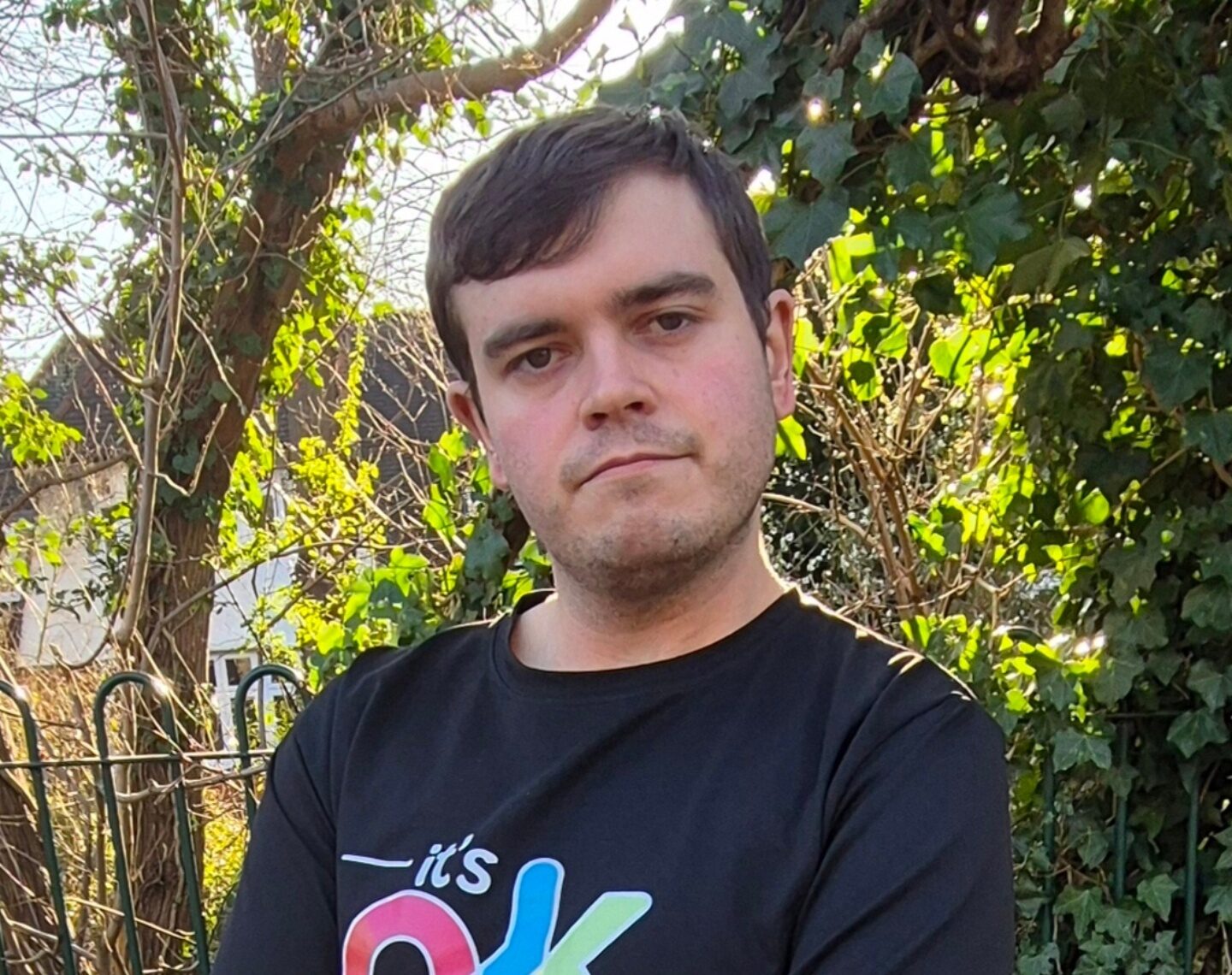
DJ Trancey Parker is a multi-genre DJ dabbling in almost everything. There is no stone left unturned when it comes to his sets, no hefty bassline left unplayed.
From monthly radio residencies on Dalston Radio and Radio Lewisham to his love for music production, Trancey Parker has spent the last few years immersing himself deeply in dance music culture. Whether it’s drum & bass, garage, bassline, dubstep or techno, his enthusiasm for the music is rife, and his love for the scene is truly unmatched.
Beyond his dance-floor inspired DJ sets and radio shows, there is much more to Trancey Parker’s story. Trancey Parker is autistic and a passionate advocate for accessibility within music. He uses his social media platforms to not only encourage other neurodivergent people to get involved in the scene, but to champion the positive impact music can have on people’s lives.
Inspired by everything from PlayStation-era soundtracks to modern rave culture, Trancey describes music as ‘medicine’ – with every genre bringing its own feeling, energy and purpose.
With production now firmly on the agenda and ambitions to take his music around the world, we caught up with Trancey Parker to hear more about his journey so far.
Trancey Parker! Tell us about yourself as an artist and DJ.
I’m a multi-genre DJ and producer. I can play everything really – drum & bass, deep techy bass, future bass, disco, techno, UK garage, bassline and dubstep too. I started DJing around November 2018, but before that I was learning through YouTube channels like Crossfader. Then I got my first DJ controller for my birthday, a Numark Mixtrack, and started using Virtual DJ software. A lot of my inspiration came from watching DJs online during lockdown and artists like James Hype before that. What inspired me most was the energy. It made me feel really energised and excited. I loved how DJs connected with people through music and I wanted to create that same feeling for other people too.
Where did your love for jungle and drum & bass first begin?
A lot of it came from PlayStation 1 games. Games like Wipeout introduced me to jungle and drum & bass and I became obsessed with the soundtracks. I remember hearing tracks like ‘Secret Life’ by Omni Trio and discovering artists like Goldie and Photek through gaming culture. After that, I started digging deeper through YouTube Music, playlists and online discovery. The music made me feel calm, chilled and connected. I also used to dance a lot, so I think dancing pushed me further into music as well. I’m most interested in music from the 90s and 2000s because there was so much energy in the music back then. The beats, the emotion and the atmosphere all really connected with me.
You’ve recently started producing too. Tell us about that journey.
I’ve been making music for around two and a half months now. At first, I was mainly focused on DJing, but then I decided I wanted to get more involved creatively and challenge myself more through production. The first thing I made was drum & bass, then a couple of weeks later I made bassline too. Flava D also helped me out by gifting me production software, which really helped me get started. Long term, I want to properly release music while continuing to build myself as both a DJ and producer.
One of my biggest inspirations is Don Diablo and his drum & bass alias CONTROL ALT DΞLΞTE because he’s so versatile and is a multi-genre DJ, like me. I really respect artists who can play different sounds and styles.
You also host radio shows. What do you enjoy most about radio?
My first residency was with Dalston Radio and I also have one with Radio Illusion. I really enjoy radio because it helps me connect with people through music. It’s also helped me build confidence speaking on the mic and talking about different genres and artists. I’m really active online as well, so radio feels like another extension of connecting with people and sharing music with them.
You attend so many events and are super immersed in the scene. What do you love most about DJing and rave culture?
The energy. The vibes. Networking and connecting with people. I love being around music and people who love music too. I go to lots of events and I’ve met loads of amazing artists through DJing and raving.
As someone who openly talks about being autistic, what has your experience been like in clubs and at festivals?
Sometimes crowded events can feel overwhelming, so usually I’ll stay towards the back or stay close to people I know and trust. I think some events are inclusive, but more can always be done for autistic and neurodivergent people. I always recommend trying to find accessible areas or quieter spaces if you need them. If things become overwhelming, it’s important to step outside, get some air and take a break. Ear protection helps a lot too. Some earplugs are expensive, but they’re really useful and much more comfortable than basic rubber earplugs.
I also wear my autism lanyard and carry my autism card with me. Those things can help, although there have been moments where people still judged me before understanding properly. But there have also been people who were really supportive and understanding too.
What advice would you give to autistic people wanting to get involved in music?
Keep going and keep learning. If you want to DJ or produce music, save up for equipment, get a laptop and start learning music software little by little. You don’t have to rush everything straight away. I’d also say people in the industry should stay calm, respectful and communicate clearly with autistic artists. Don’t overwhelm people or rush towards them. Just speak calmly and professionally. There are some really good organisations helping autistic people too, like Heart n Soul in Deptford.
You’ve mentioned before that music feels like medicine to you – which is beautiful!
Yes! Different genres feel like different medicines to me. Every genre gives a different feeling and changes your mood in a different way. Music changes your life, depending on what you listen to and how it makes you feel. That’s why I love it so much.
What are your long-term goals with music?
I want to keep DJing, keep producing and eventually tour around the world. My dream gigs would be in Paris, Ibiza, Belgium and Amsterdam. I would also love to go back-to-back with a female dubstep DJ from Paris called Naha. Alongside these goals, I want to continue building my career properly, releasing music and connecting with people through DJing, radio and rave culture.