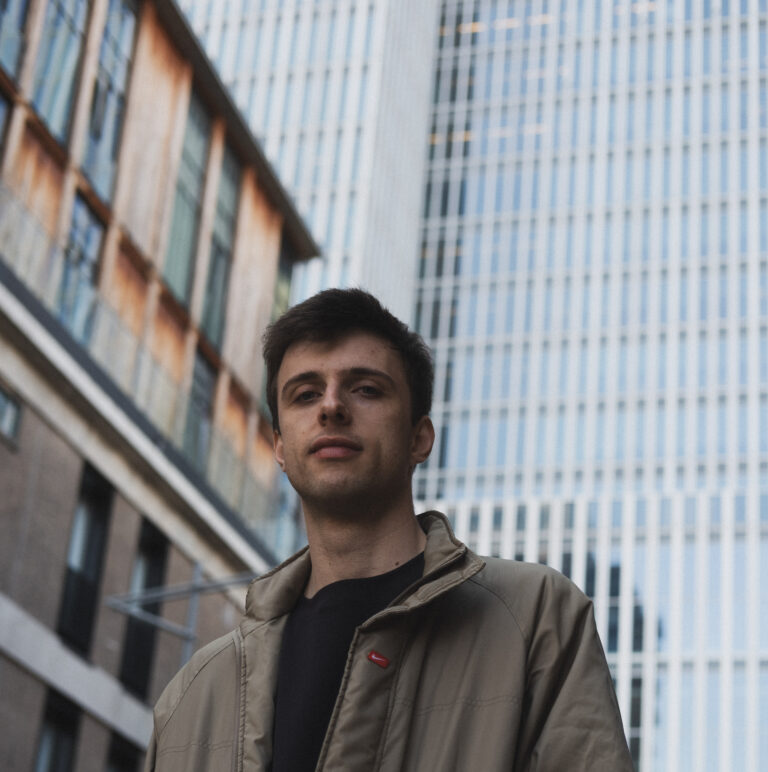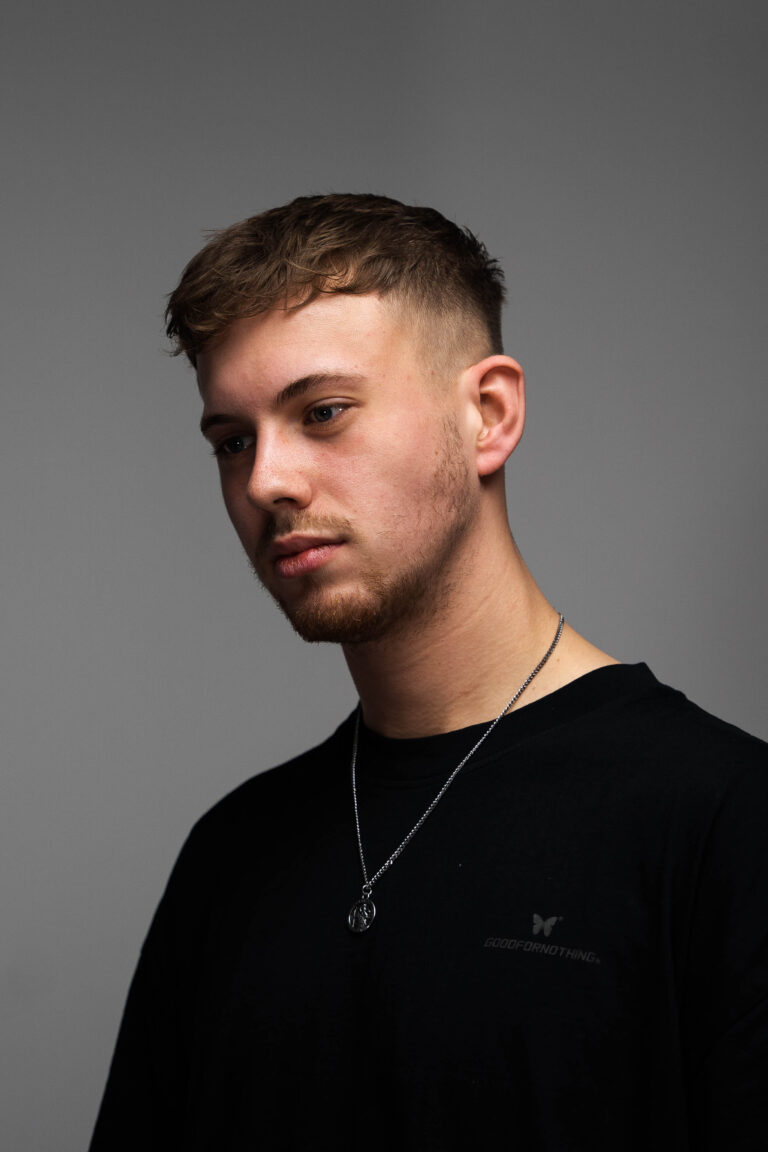

Rhythm House, the brand-new drum and bass imprint by the genre-defining Krakota (Seb Inwood) arrives on May 29.
Hold On, made by the Bournemouth-raised & Cape Town-based producer, is the first track to arrive on the label scheduled to release singles on a monthly basis initially. Krakota, who recently wrapped up his exclusive run at Sleepless Music, aims to channel more than two decades of first-hand experience into an enticing combo; Rhythm House also offers the ideal launchpad for talent he’s been tutoring on his platform.
In times where hypes come and go just as fast, the ability to really understand and master the craft cannot be understated.
Read on for insights into the philosophy of creativity and studio work from the man himself, as well as the scoop on Rhythm House.
Congratulations on the upcoming launch of Rhythm House. When did you first start considering doing a label and why?
I’ve been in the music industry for about 20 years now, and it’s always been at the back of my mind. I could have started a label earlier, but it just didn’t feel like the right time.
What changed?
Over the last year, I’ve been getting sent so much incredible music. On top of that, through my community, I’m helping a lot of people learn how to make drum and bass professionally. Having just finished my contract with Sleepless, the obvious thing to do was set up an imprint for my own music, as well as music from producers I love and new artists I’ve helped develop.
Does it feel like a natural evolution at this point to focus on leaving a legacy?
Yeah, it’s that, and it’s also about having full control. Everything just makes sense now, it feels like the right time. I’m really excited to get some music out there. I’m sitting on quite a few of my own new songs, plus a bunch of music from new artists that nobody has heard before.
Is it a way for you to reinvent your purpose and shift the goalposts differently as well?
The A&R experience you get from writing music for as long as I have is so valuable, and I’m in a position where I can help others with that knowledge. That’s what it’s all about. In my opinion, artist-led labels with artist-driven A&R output the best music, and I really hope we can continue that trend.
The first release is Hold On. Do you remember the moment it clicked that this should be the opening track?
When I first started writing music, I used to write loads of demos, and maybe one in twenty or thirty would get released. These days, that number has dropped drastically. I’ll only write a handful of demos, pick the one I love the most, and then spend an extremely long time finishing it off. Sometimes that takes one to three months.
I just remember this one coming together and feeling different. It felt like the one. I got a playable version, took it to New Zealand and Australia, and was playing it at the end of my sets. It just worked. So, it was the obvious first release. Plus, the label encapsulates the house-influenced, uplifting dance sound I’ve been making over the last six or seven years, and this track perfectly represents that.
Is this part of an EP, or what can we expect moving forward?
We’re just going to be working singles for now. I’ve got a number of my own tracks lined up and some from new producers. Bigger projects are definitely something I’m keen to do, but at this stage, I’m keeping it simple to make each single the best it can possibly be.
How many singles do you plan to release this year?
My aim is to do one a month. We have four or five locked in right now, so there’s a decent pipeline. Running a label is relatively new to me, but I think one a month is a solid goal we can stick to.
Can you confirm any of the upcoming artists yet?
This is the interesting thing. The main artists on the label will be me, and all the other artists I’ve signed singles from for the coming year have never released before. It’s going to be a proper talent testing ground. Not only is it an outlet for me, but it’s also for new artists that really excite me.
Regarding facilitating these artists, is it strictly about giving them a platform to be heard, or are you considering artist management as well?
A big part of what I’m doing with my community is helping producers who might have been producing for years but have hit a wall and can’t get their tunes to a professional level. The obvious progression is to have a label where they can release their music once they reach that stage. It totally makes sense. They get help through my community to level up their tracks, and when they do, there’s an option to release on the label. It’s the whole package.
Suppose one of these guys really takes off. Are there certain pieces of advice you give them early on about handling touring and the performance side?
The advice I give doesn’t just stop at the studio. I get asked questions every day about music production, touring, running social media, and taking press shots. It is not solely focused on production. I give them a much greater wealth of advice than just how to make a banger.
Given your longevity in the game, are there certain core principles you swear by?
Especially for new producers, they’re always in a rush to finish and release stuff. I remember being in that trap myself. The number one thing is that finishing a song takes as long as it takes. There is no point in rushing it because once it’s out, it’s there forever. We’re going to take our time with label releases and make them the best they can possibly be.
Getting into the wrong habits early on can be detrimental
Yeah. If I go back to some of my early releases and listen to them in my studio now, I think about how helpful it would have been if someone had told me to spend a couple more weeks tweaking certain elements. I didn’t have that guidance back then.
Is the rushing a sign of the times, feeling the constant need to make content just to have something online?
For sure. There is such a disposable attitude towards digital music right now, with so much being released all the time. To cut through that noise, you really have to go to extreme lengths to make sure everything is the absolute best it can be. It’s about putting in the time your art deserves so you can look back on it and be proud.
Are there any other potential pitfalls for upcoming talent that you try to address proactively?
The main thing is not obsessing over how quickly you can release something. You’ll be ready when you’re ready. The whole point is to enjoy the process and have fun making music. If you’re not having fun, maybe it’s not for you. Just get the tunes nailed first, and the rest will follow.
Touching on your mentoring role, I spoke to Royalston years ago who was also teaching, and he mentioned producers sometimes focus too much on technical details and lose their creative flow. How do you balance the technical and creative sides in a healthy routine?
I completely agree with Royalston. There are two far ends of the spectrum. You have people with incredible sound design and flawless mixdowns, but their tracks lack musical composition and emotion. There is nothing memorable to latch onto. On the flip side, you have people writing amazing leads and ideas who just can’t get the mixdowns right. You have to deal with them in separate ways.
How do you advise integrating this into a routine?
One thing I always champion is viewing every writing session as fun and removing expectations. The worst thing you can do as a new artist is to sit down in the studio and pressure yourself to write a charting hit. That won’t be a fun session. You’ll likely write something you aren’t happy with, and then you’ll beat yourself up.
Instead, just go in and mess around. Use samples from a movie, play with patches, and allow yourself to be inspired. You’re much more likely to write something fresh and interesting, and you’ll actually enjoy the process. Whether it turns out good or bad, you’ve still written a song, making the session a success.
It’s a whole different mindset than an “all or nothing” approach where you aren’t satisfied with progress unless it’s perfect
Exactly.
Having one-on-one lessons is a game changer that can accelerate past creative blocks. What advice do you give aspiring producers considering mentoring so they really leverage those sessions?
The biggest issue young producers fall into with mentoring is a lack of patience. If you give someone a big list of feedback of things they need to change, the worst thing they can possibly do is try to rush it or force it all at once. You have to be patient with the process.
I remember back in the day receiving feedback from Bassline Smith on AIM when I was about seventeen years-old. This was way before I had anything signed. He gave me a bunch of feedback and I was so excited that an established artist had replied to me that I rushed as quickly as I could to do it all, and sent them an update two hours later.
He came back and said those changes should take weeks, and told me to go back and do it properly. It hurt my ego a bit, but it’s the exact same issue I experience on the other side today. I have to explain to artists that this stuff takes weeks and months. You have to sleep on it and listen with fresh ears before submitting anything. If you do that over multiple days, the output will be way better than if you just rushed through it.
So how do you see someone positioning themselves to be more open to those “aha” moments in the studio?
It ties back to enjoying your studio sessions and removing pressure. If you add pressure and try to force a preconceived idea of writing a banger today, it doesn’t work. You cannot get in the way of inspiration. It will write itself if you let it. Some of the most magical moments happen when your mood is geared towards just having fun, and the music becomes completely effortless. The best way to set that up is to not pressure yourself.
You need different tools in your toolbox to reach that point of flow. But what helps to facilitate that flow outside of the studio?
Definitely don’t come in with a hangover, that completely ruins it. I try to keep a normal sleep-wake cycle, although I am not a big morning person as for studio work. There is something about working later at night that really brings out the vibes and something different.
Exercising and being relatively healthy and clear-minded helps a lot. That said, if you are going through emotional turmoil or heartbreak, that can also be a huge catalyst. I have written music in dark times that really stood out and touched people. For many artists, music is an outlet for their emotions.
Do you structure your day around harnessing the creative flow; doing technical adjustments earlier and catching inspiration later on?
Yes. If I’m doing a creative writing session to come up with ideas, it is always in the afternoon or late at night. My whole setup runs on a laptop so I can take it everywhere and get a rough idea down if inspiration strikes.
The mixdown process is much less creative for me. It is basically just decision making, deciding whether elements should be included or where they should come in. That is much easier done in the morning. My mornings are reserved for emails, accounting, and all the boring stuff, and then I get to the fun writing sessions when that is out of the way.
At your level, I suppose writer’s block isn’t as much of an issue anymore?
No, I wouldn’t say that. I have actually had an artistic block over the last couple of months. That is exactly why I can be so clear when I say you have to have fun with it. A great way of getting over those humps is to write music with another artist.
If you don’t have a producer friend nearby, just invite a friend into the studio who enjoys music and let them help guide the artistic flow. I have had times where a friend and I just came up with a simple loop while having a laugh, and because there were no expectations, it eventually grew into an amazing song.
And perhaps knowing when to step away for a bit and do something completely different helps too.
Absolutely. If you are mentally frustrated by a project or just sick of staring at the screen, go outside. Go for a walk or do some really exhausting exercise, and then come back later. There is no point in torturing yourself. Stepping away for an hour gives you a completely new perspective.
Thomas Edison once said that genius is one percent inspiration and ninety-nine percent perspiration. How does that resonate with you when creating music?
If you apply that to art, I definitely agree. The ninety-nine percent perspiration comes from learning the craft. That is what takes the time. When that one percent idea finally comes, you need the tools to execute it properly. That is where all your previous hard work compounds. You might have really good ideas as a new producer, but if you cannot execute them, you will struggle to get traction.
Looking at the trends in the genre right now, what are you observing?
There tends to be a framework around how dancefloor drum and bass is made. People have gotten so good at it that it can be very formulaic in terms of how the drums sound and how the bassline works with them. This leads to a lot of music sounding quite similar.
The people who really stand out are the ones able to make music that works on the dancefloor but steps outside that framework. People have been making drum and bass for over thirty years, so unearthing a new sound is difficult, but the artists who pioneer those new sounds tend to be the most successful.
Are upcoming producers perhaps too obsessed with drum and bass and forgetting to look at other genres for inspiration?
That is a really big factor. One of the beauties of drum and bass is that it takes inspiration from all genres. Whether you want jazz, rock, or techno influences, it is all there. It is very easy to fall into the trap of trying to sound like your favorite producer, and then finding it very difficult to write songs that sound different. I definitely recommend broadening your horizons with the genres you listen to.
We touched on social media earlier. What would you advise young artists regarding building a social media presence versus just focusing on the music?
It really depends on your personality. If you are extroverted and comfortable talking to the camera about your journey, then it is a really valuable thing. On the flip side, if that isn’t you, that time is equally well spent honing your craft.
I go through phases where I post a lot of fun content, and then I slip back into obsessing over music and won’t post anything at all. Do it if you enjoy it and people find it entertaining or informative, but do not let it get in the way of making the art.
With the rise of AI, do you see artists relying on it more for content creation or even production?
In terms of art, I think there will eventually be a big market for certified non-AI music. However, AI can be very useful right now if you are stuck and need to inject some ideas. Some of the stem splitting tools available today are incredible. Ten years ago that was witchcraft, and now you can easily extract an acapella from a track. That is quite exciting.
Make sense. But after all… at some point you yourself can become a product in this industry. How do you keep reinventing the formula to stay relevant and true to yourself while giving fans what they expect?
Music has really been the only thing I have stuck at my entire life. I have been doing this since I was thirteen years old, and I am thirty-six now. I wouldn’t say it is about reinventing myself. The more time you spend putting the hours in, the more defined your sound becomes.
People always ask how I got my sound, and the answer is simply thousands of hours of work. I just love sitting in front of a blank screen and, a few hours later, having a brand new piece of music that nobody else on the planet has heard. I can drive home, blast it in my car, and know I created something completely new. That is a special thing.
Finally, looking three to five years ahead, what do you hope Rhythm House will become?
I would like to see Rhythm House established as one of the most respected labels in the industry. I know exactly where I want the label to be, and our goal is to consistently push high-quality music and develop incredible new artists along the way.
Follow Krakota: Instagram / Website / Community