
Concrete Audio – a brand new label created by seasoned radio pro Uncle Dugs, Rompa aka Daddy Nature and Alan 3000 Bass – does exactly what it says on the tin. It’s a delivery of jungle music that honours the tower blocks that once housed the genre’s most pivotal moments. It’s good music and history all wrapped up into one; and after a few years of Rompa doing the work to lock in Uncle Dugs to start the imprint, we finally get the goods.
Concrete Audio is real and it’s raw, putting a spotlight not only on the roots of jungle, but on the communities and housing estates where it all started. How having no money and the longing for more breeds a juxtaposition of crime and community. From the artwork to the sound of the label, everything has been carefully curated to honour the music and the buildings where it all began.
Over a cuppa coffee on a murky afternoon in London town, Dugs deep dives into the history of jungle, his connection to the story, and their exciting new venture:
Let’s talk about Concrete Audio. Tell us a bit about the concept and vibe.
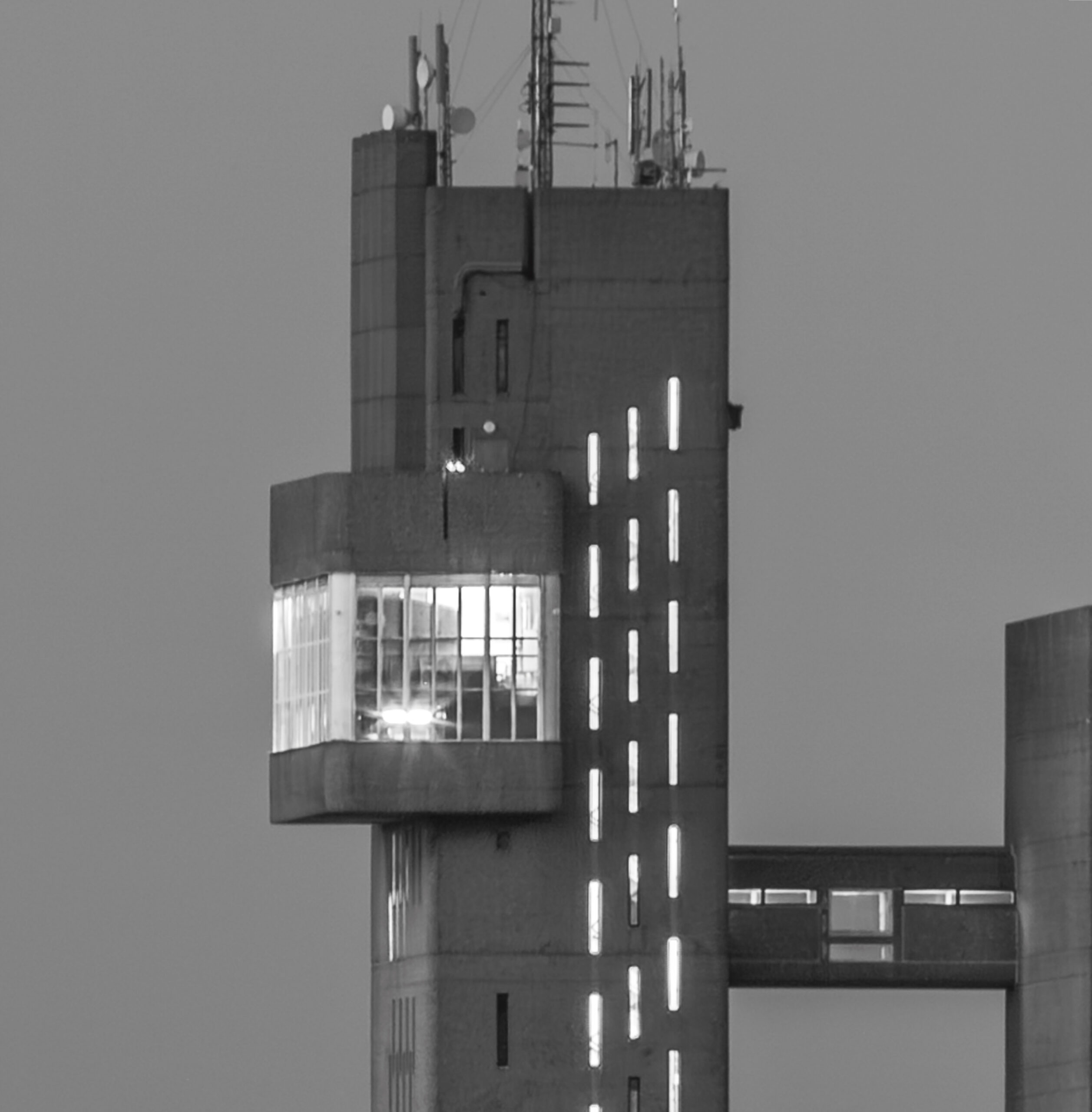
It was Rompa’s idea originally. He kept telling me I should start a label, and for a long time I was against it because I didn’t want to sign music just because it’s popular or sounds like now. I’m not in it for that. After a couple of years, he ground me down and we came to a middle road where I said I’d do it, but it had to be on my terms. I wanted it to be authentic to what I love. I want music that sounds like it was made 30 years ago. I don’t want modern jungle. That’s cool, there’s a place for that, but not for me. At the same time, I didn’t want it to just be releasing music for the sake of it. I’ve got to be able to play it, and I’ve got to love it. I’ve got a friend, James Burns, London From The Rooftops, whose photography is all tower blocks and urban concrete. He’s also a religious Kool FM listener! So we always said it would be good to do a project together. The idea was to get a tower block with a story behind it on each release. Some are connected to where people lived, some are places that really mattered to jungle and pirate radio culture. Over time, the sleeves will build a bigger image, but we’re not in a rush.
Can you explain why tower blocks and pirate radio are so important to you and to jungle culture?
Pirate radio was probably the only thing to get you out of the blocks and off the estate from shotting and robbing. The odd person became a footballer, maybe a singer, but that was it really. Pirate radio was a way to give kids – even if they never made it – a sense of camaraderie. Back then, your station was like your football team. If something kicked off with your station, you’d all go and sort it out. A lot of people came from broken homes, no love, no rules, no dad, no mum, living with nan, no money. They couldn’t even afford to go to raves or the pub. Pirate radio was our thing. It gave us the music, the buzz, the sense we’re breaking the law, but we’re doing it together, and we’re not doing anything bad. We’re doing it for the right reasons. We’re not out there shotting crack or robbing people – we’re giving something to people. The BBC and licensing committees wanted to stop us. We would happily have done it legally, but they weren’t going to look at little kids from Dagenham and put them on Radio 1. So we did it ourselves. It was a breeding ground.
Years later, when I saw that energy again through the grime stuff at Rinse, it reminded me of that era. You’d be up at the studio and have Dizzee and Wiley and all these men on the mic, all young, no money, no one gives a shit about them. It was natural energy, driven by a little bit of danger. It’s almost like nothing can stop it because at that time there’s no money, no record deals, you don’t even know about all that. It’s blind passion.
Both Rinse and Kool FM have played a huge part in honing underground talent. What does Kool FM mean to you?
Kool FM was everything to me growing up. I found rave before Kool switched on, but I always felt disconnected to the rave DJs because they were like gods to me. Back then raves were like 20,000 people, the DJs conducting the whole thing. It was like looking at Oasis or The Beatles. They’re up there and you’re down there. We all knew our place. Pirate radio was different. You could touch it. You knew people. Even if you didn’t know people, it was direct – someone knew someone, or someone knew something. It felt very real.
When Kool switched on, I didn’t even know I was following a path towards jungle, because jungle hadn’t happened yet. The sounds that got me into the scene started quickly changing. It went from pianos and hands in the air to something darker, more dangerous, with more electricity to it. Kool FM, Weekend Rush, stations like that, really championed that sound. They encouraged MCs passing the mic, more of the reggae side of stuff, because they came from reggae and hip-hop backgrounds. As a 16/17 year old from Dagenham that had a very white upbringing in a very white world, that was a first for me.
As someone who has been in the scene for a long time, how do you think we can connect the old-school with the new-school?
It’s all about community. We do old school jungle parties that started off quite small at Jaguar Shoes in Shoreditch. It’s a little bar and basement. 100 people, sweatbox. It used to be people 40 years old pretending they’re 16 again. Over the years, gradually more youngsters have started coming down too. From speaking with different people, the one thing they all say is that they hate going out in their own age group, because it’s aggy. Everyone’s trying to pretend they’re hard, blokes are becoming men, they’ve got testosterone. Then they come to our events and it’s lovely. We’ve never had a fight – touch wood – never had an argument or punch up, everyone kind of knows each other or you know they’ll know someone. The younger ones need to be with an older audience because it’s hard to recreate what we had with just younger people, and the older lot look out for them as well. My thinking is, if you show a real sense of community, then one of them might end up being a promoter who goes on to put on really authentic nights that connect people.
It’s hard to instill things now because it’s become a multimillion pound worldwide business. When we were younger, we thought it was going to last until next weekend and then it was going to stop. We did it from the heart and we did it because we loved it. I do believe we’re getting a bit of that back now though. People are starting to look for smaller nights and more hand-picked lineups.
One thing that’s better now than in the 90s is that we’re all more helpful towards each other. There was more competition in the 90s. The record world is a lovely world nowadays. It’s full of older people who did really well years ago, fell away, and they’ve come back around for different reasons. They’re not trying to be the next big label that changes the world. They want to release some music their mates make and sell it at their friends’ record fair, where we all get together and say hello. It creates a nice vibe. We all want each other to get the best deal, cheapest records, most sales. It’s lovely.
Good music and community! That’s what it’s all about.
Absolutely. There’s no time for anything else. Tomorrow’s not promised. When you’re born, they turn that thing upside down and the sand goes through to the bottom. I’ve got more sand in the bottom than the top now. That’s the truth. I’m not wasting grains of sand on people that don’t deserve them. Anyone I love can have all the sand. Someone that doesn’t deserve it – mate, you don’t deserve a grain.
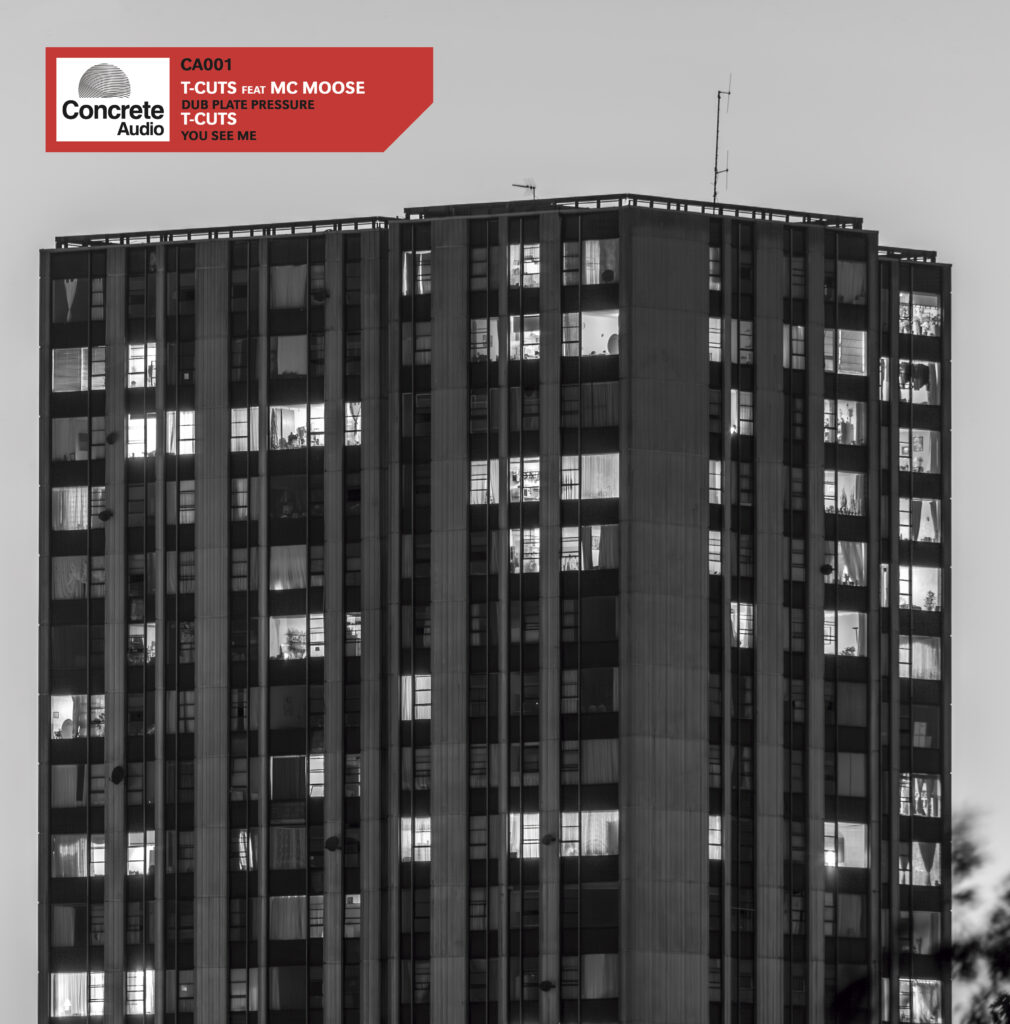
Future plans for Concrete Audio?
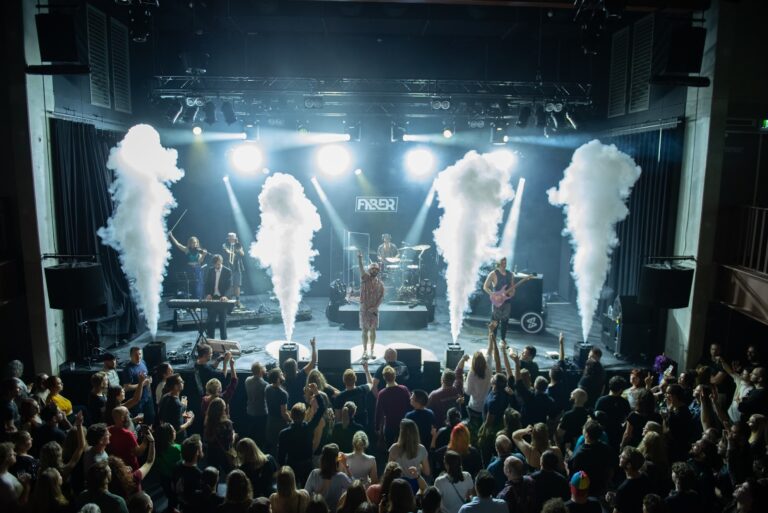
Ideally we would have done a launch party for the T-Cuts release because it was the first one, vinyl, Moose on it, but we’ll do something at some point. Something small – a little free party, some drinks – just to say we’re here.
In terms of releases we’ve got people like Kellaway and Ovature incoming. They’re pretty underground still, but they make music that I like and I’m excited to put out their work.
All of this is a learning process. I’ve owned labels and never had anything to do with them, this time it’s different, so I want to thank Rompa, James, Alan, Jess and everyone else who’s helped us and helped me. It means a lot.