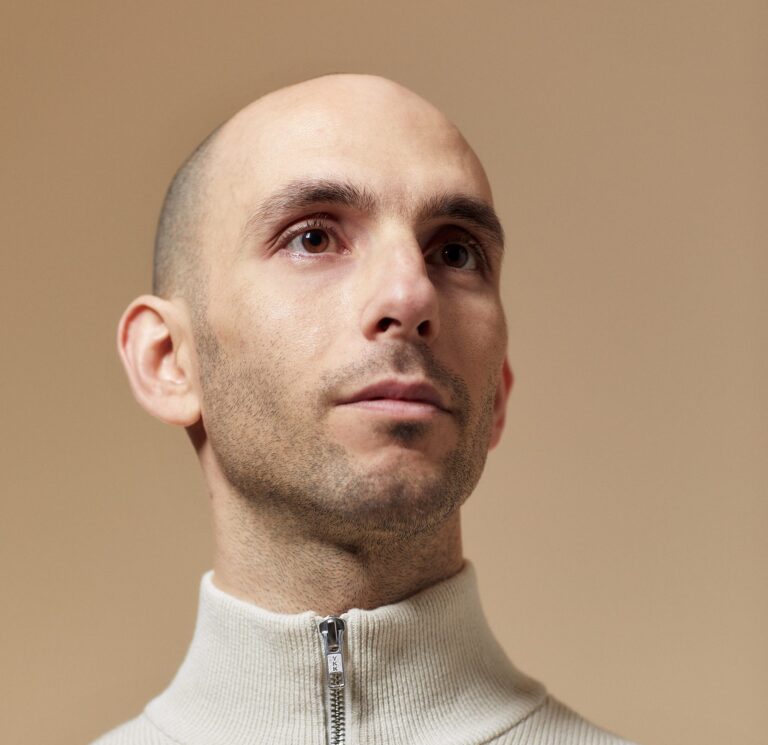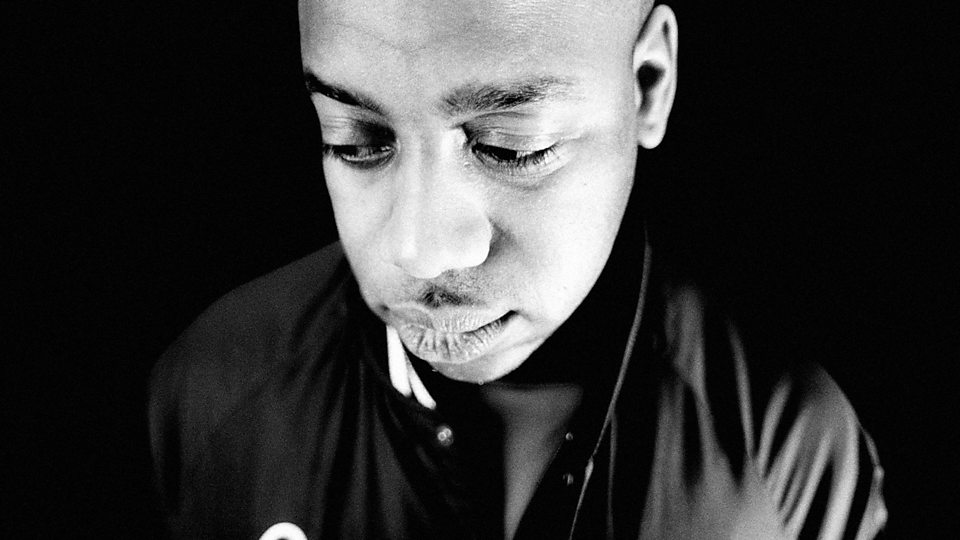
Coki is back with another belter. The South Norwood legend who scored dubstep’s first UK Top 40 track alongside Benga with Night clearly means business.
Out now on Don’t Get It Twisted, The Tablets EP delivers that beloved tear-out vibe of controlled chaos and mind-bending wobbles, instantly reminiscent of Coki’s near two-decade-old behemoth, Spongebob. (Ever wondered why he chose that track name? We finally got the answer).
When the chance arises to sit down with one of the founding fathers of dubstep, you take it. In this extensive UKF interview, we cover the heavy-hitting new EP, shed light on his iconic back catalogue, and capture some timeless anecdotes straight from the source.
Let’s get to it, read on below.
Last time you spoke with us, you mentioned having more unreleased dubs and projects lined up than you’d had in a year, and now with this new release coming out, you’re delivering. Considering how selective you’ve always been with what leaves your studio, how does it feel to get this specific batch of tunes out into the wild?
I’m absolutely great. I’ve been buzzing off my current releases. I’ve got a feel for it again from last year, when Tempa released some from the archives. Now that I’m putting out newer tunes, I feel more refreshed. Sometimes it’s hard to let tunes go as well, due to just overthinking when the time is right.
Listening to your new 2-track release, The Tablets; the raw, unpolished energy is still front and center. Did you resurrect any of your older outboard gear or techniques to capture that classic grit, or is this a modern setup?
You can hear it! No, this is mostly Reason and Logic. Added a few plugins so it cuts through better on a sound system. The mastering engineer did most of the work though.
As for the two tunes: The Tablets for example, it really captures that Coki vibe. Can you recall the moment the arrangement on this one really clicked?
Both tracks were written around the same period. With The Tablets, I remember I heard the phase sound. Then when I played the first bar, I knew instantly I had to finish it. I don’t think I even programmed percussion yet. Normally I would change the waveform to give it variation, but I wanted it to keep its rhythm and melody. Also, I like that the phase gave the track more energy, almost like a prestissimo style.
Earth Pig I knew instantly from when I played the first bar as well, like most of my tracks. Not sure of the scale I used, but I wanted it to still have the dub vibe if the midrange was removed.
Makes sense.
You’ve always been known for testing dubs extensively before release. How many iterations did these new tracks go through on club rigs before you signed off on the final masters?
Wow… I think The Tablets went through about three different versions I tested out. Earth Pig was about 6. I had that phase issue that I missed so I could not get the mix right no matter how I tried.
As for the iconic phrase which also is the label name you released this on: ‘Don’t Get It Twisted’, it felt like a statement of intent when those EPs landed on DMZ over a decade ago. Are you using that title again to send a clear message to today’s scene? If so, what would that be?
Well, I am planning to release a lot more tunes on the label. I also want to release other artists that I feel fit the banner. I never really have been a person to send messages via speech. I prefer to talk through the music.
Tracks in the original Don’t Get It Twisted series were praised for leaving breathing room in the mix despite the aggression. How did you approach the mixdowns on this new release to ensure that signature space?
Well firstly, I always start off by gain staging after arranging the mix. I find this helps to give me enough room to push kick and snare while still staying within my mix zone, which is around -6db.
I’ve had trouble in the past with phase issues with kick and bass etc., so I always check for any phase with the sounds I use. As I like to have my kick, snare, and midrange running through the middle, sidechaining and EQ helps a lot to make the mix less muddy and punchy.
When you look back at the very first DMZ sessions at 3rd Base in Brixton, where you famously manned the door, did you ever anticipate the global impact those nights would have on underground music?
No, I had no clue whatsoever. It’s almost like we were the chosen ones. Lol. It was basically a church we held the nights in. As we progressed, there was a slight glimpse from the people that came there. I never visioned it myself though; I loved the music but did not see it reaching as far as it has.
Back then, did you push yourself to set the bar as high as possible, or was it more like being present and moving with the motions?
I think it was a little bit of both. I’ve always wanted to make something wild but subtle. Enough to push the listener to the edge, like Goblin for example. These types of tunes were my experimental side. A place where I could create something not similar to anything else at that time. Being unique automatically places you in a different bracket. Being unique makes you present and sets a high bar at the same time, especially if people like it and follow.
You’ve mentioned before that tracks like Haunted were built specifically for the sound system at those early events. How did the physical space and acoustics of 3rd Base shape your early production techniques in that regard?
Well, 3rd Base helped a lot to help visualize on a larger scale. I was able to pinpoint some weaknesses, but I learned quickly not everywhere translates the same. FWD>> was smaller but still could get a good reference. We also had a good sound system at the time. I very rarely had to go back in on the mix back then. Once it was cut onto dub, that was basically the final product.
Another classic: Night with Benga, it became a massive crossover anthem that introduced millions to the 140 BPM sound. What was the dynamic like in the studio during that collaboration, and when did you realize the track was going to be a phenomenon?
Yeah, we both liked writing tracks with energy and melody. I vaguely remember sitting there at Benga‘s house going through kicks, hats, etc. Then we laid the beat out. Those times we were both on a ‘skankers flex’. It’s easier to work with producers with the same mentality.
We bounced ideas off each other for the bassline till it was tuned. I think Benga was using Albino at that time. Benga is a genius though, I think he could produce with anyone and make something out of nothing.
I did not know too much about what the track was doing at that time in the underground. I was still working, but my cousins would sing the melody to me every time they saw me. I knew then it was a big tune. I never even played them that tune before.
And Spongebob… it completely shifted the paradigm of aggressive dubstep. Looking back, what inspired that chaotic, over-the-top yet controlled energy?
It was me experimenting with sound design. I learned at that time how to control the LFO bass and mid using a separate filter from the Subtractor’s filter. Having a separate envelope gave me so much more control to sound design. Then the automation allowed me to change the flow to create the main melody. During that time I was still listening to reggae and drum and bass heavily. So I guess the energy came from those two.
Was there any reason behind calling it Spongebob, other than being so widely recognized by our generations?
Oh well, my son used to watch Spongebob in his infant years and the pitch and tone of the tune reminded me of Spongebob voices. When he watched it so much, I guess it came out subliminally in the bassline!
You’ve seen dubstep mutate through dozens of sub-genres over nearly two decades. Who in your opinion does a great job at synthesizing that legacy while respecting the roots of the genre?
There are too many names to mention. It wouldn’t be fair to name a few as there are so many.
Your tear-out mid-range style evolved into a sharp contrast to Mala’s deeper, meditative sound. Did that polarity stem from a specific vision behind the label, or was it just a natural evolution?
I’m guessing you mean our work as Digital Mystikz? I did not just write tear-out! I understand what you mean though. My earlier stuff like Thief in the Night, Country Man, Jah Fire, Officer, Mood Dub, and even Heartless Ninja really represented the roots of dubstep.
I regularly went to Jamaica and tried to bring those influences directly into the music. A lot of my family over there were heavily into Rastafarianism and the Seventh-day Adventist church, which provided a strong spiritual foundation for my deeper tracks.
In regards to the tear-out side, that came from listening to a lot of jungle and drum and bass in my teenage years. I wanted to capture that similar energy but make it my own. I loved the heavy midrange in drum and bass and jungle, and I liked how those genres were also heavily influenced by reggae roots and dancehall.
So the contrast wasn’t a strict plan for the label; it was a natural reflection of me organically exploring my creative freedom and bringing all those different sides of my background into the synergy we had.
Of all the seminal releases on the DMZ label, which of your own tracks do you feel has aged the best on modern sound systems?
Wow, that’s a good question. I’ve never really thought about it. I think I will go with Haunted and Spongebob.
Is there a specific set or night from the golden era of the scene that you still benchmark as the ‘perfect’ club experience?
I think it had to be the DMZ birthday in March 2006. It was the night dubstep really showed its true potential. The community was strong and united. Everyone left there buzzing. It was a milestone for the growth of dubstep for sure.
So which events these days in your opinion really honour that experience?
I feel like a lot of the independent labels have caught a glimpse of that experience. Especially those with new artists on their label. I haven’t personally been out much, but what I have seen online, Tempa, Deep Medi, System, UKF Dubstep, 1985, Bassrush in the US, a few I have witnessed.
You’ve always maintained a strict “system-first” mentality. With so much music consumed via streaming and earbuds right now, does that change how you approach your mixdowns?
A little bit. I’m not writing sync music, I try to keep the sound system in mind so I still kind of work in the mono field. I guess having a wider sound is better for streaming and earbuds though. As it is more interesting to listen to.
We hear a lot about the pressure to cater to social media or algorithmic trends. How do you stay creatively insulated and maintain your uncompromising vision in today’s digital landscape?
Good question. Like everything, I do it in moderation. It’s very hard to lose sight of what your own priorities should be. I make sure I always have music to share, which means making three to five tunes weekly. This satisfies me more than likes on Instagram or Facebook.
To be honest, I do not post much and when I do my algorithm is a hit or miss. However, I think it’s about maybe recruiting someone that has more insight if you need better results.
Ultimately it is about being true to yourself. Stand your ground. Don’t get me wrong though, you can’t be stubborn and ignore wisdom when it’s the truth.
Looking at the sheer volume of music released daily, how can a new producer ensure their sound cuts through the noise and genuinely connects with a crowd?
It is about finding a good manager that truly wants to help, along with good PR to guide the sound in the right direction.
There’s a lot of debate about analog warmth versus digital precision right now. As someone who built defining music in the early digital era, where do you stand?
I think once people have a few drinks etc., I don’t think they really notice the difference when out. Also, once consumers start complaining about these things, then we definitely have a problem. Especially if a teenager starts complaining why the mix ain’t warm. For now, everyone simply works how they want and sell their product. Being different is unique.
Plenty of young artists struggle with the transition between making a track sound good on a pair of flat, open-back headphones versus a heavy club system. What’s the secret to bridging that translation gap?
I think firstly is to mix in mono. A lot of presets are wide nowadays with a lot of movement, which can cause phase issues if not checked. Also, get your tracks mastered by a sound engineer, they can give you tips why your mix does not translate on every aspect. I would listen to music in my car or friends’. Hatcha and myself had a subwoofer in our cars which was great for testing out tracks on the way to radio and raves.
You built a physical community before you built a brand. How important is it for the new generation to cultivate their own local scenes and club nights instead of living on the internet?
Without a foundation, your hard work can easily be taken away from you at any moment. Also, involving everyone makes not only you stronger but them also. The pyramids were not built in one day, therefore it’s important to have vision and execute them accordingly.
Many up-and-comers get obsessed with buying expensive outboard gear or the latest VSTs. As someone who built classics on minimal setups, what is your advice on gear acquisition?
Buy a VST that has endless possibilities for sound designing. Use one VST for either bass or pads for example, so you learn it inside out. If you are only buying for presets, then it does not matter how many you have, the more the better.
The same goes for outboard gear. Things like compressors, EQs, reverb, delays can be a bit tricky. These determine your overall sound.
When you hit a creative wall or experience writer’s block, what is your process for resetting and getting back into that natural flow?
That’s never really happened. When I first started it happened a lot though, but my knowledge of scales and chords was very limited. I was playing what I thought sounded good.
Also, I would copy the notes of singers in reggae and dancehall. A song I made called Thief in the Night, the melody was taken from Sizzla Kalonji (A Wah Dat). Sound design is totally different from writing music. You can choose a piano, guitar and bass and write anything you want. Sound design can take up more time as it’s more technical if you are making sounds from scratch.
When it’s all said and done, how do you want the history books to remember Coki?
For the fact I have been highly influential to a lot of producers in the dubstep scene. Being appreciated for the work I produced can easily be forgotten. It’s not easy to get recognition in this world.
If you could send a piece of advice back in time to yourself standing on the door at the first DMZ night in 2005, what would you tell him?
Find someone else to do the doors lol.
Thank you for making the time and sharing your thoughts. Please feel free to conclude with anything still left unsaid and/or include a message to the scene and your fans.
Please carry on trying to uplift each other. We can only try our best in this current climate where we are forever evolving. To everyone that had supported me or enjoyed my tunes, I am grateful. Thank you.